
How to Help Your SWFL Lawn and Landscape Recover After the Recent Freeze
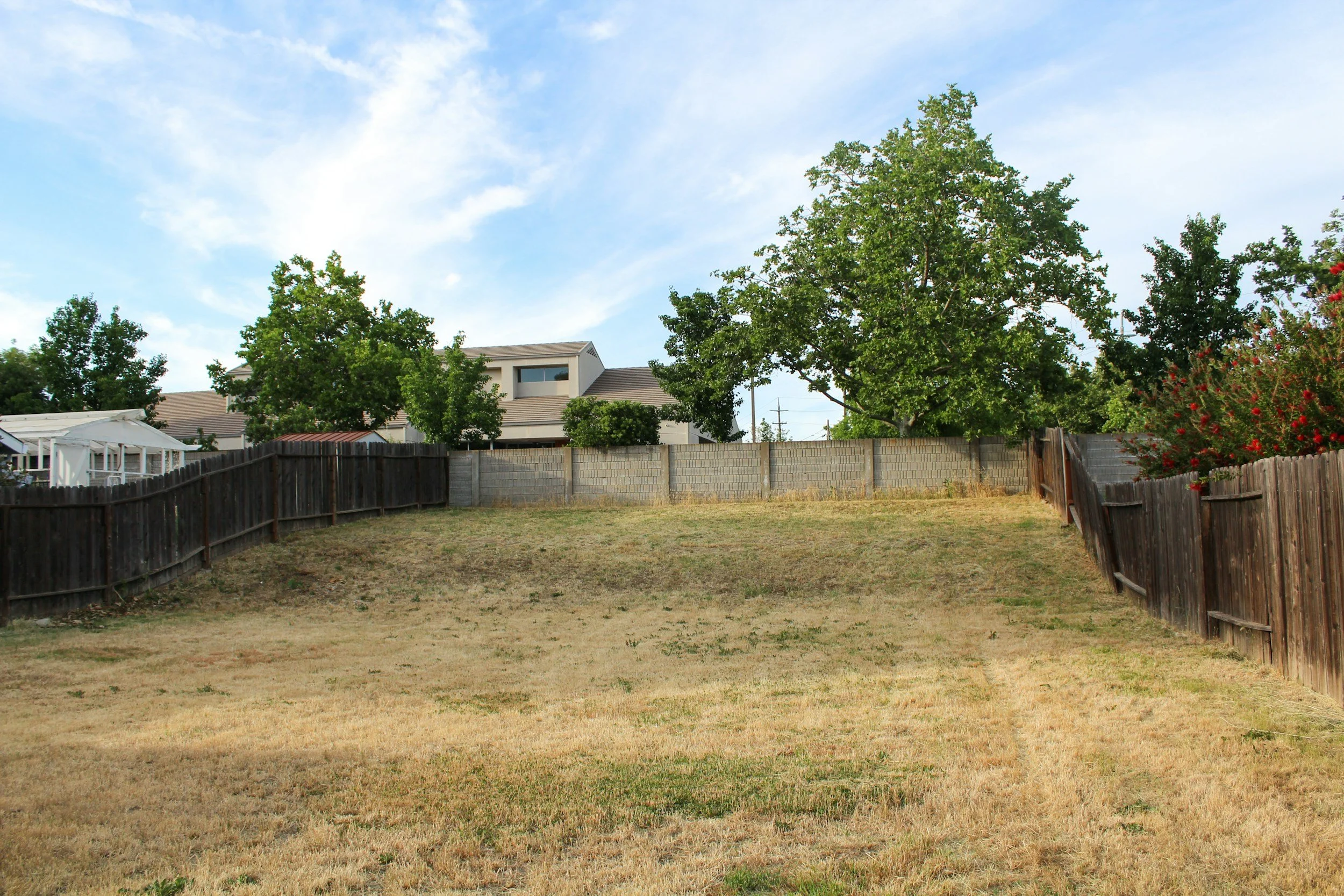
The recent cold snap that swept through Southwest Florida left many homeowners facing brown lawns, wilted plants, and uncertainty about what to do next. While freezes are rare in our region, they can cause significant stress to tropical and subtropical landscapes. Understanding how to care for your lawn and garden after a freeze is crucial for a healthy recovery.
In this guide, we'll walk you through the essential steps to revive your landscape, including watering, pruning, fertilizing, and more. Whether you're dealing with frost-damaged turf or sensitive ornamentals, these tips will help you navigate post-freeze lawn care in Florida.
Assessing Freeze Damage: What to Look For
After a freeze, it's important to evaluate the extent of the damage to your plants and lawn. Common signs include:
Brown or blackened leaves: Indicates frostbite on foliage.
Wilted or mushy stems: Suggests cellular damage from freezing temperatures.
Discolored or soft grass blades: May signal that your turf has gone dormant or suffered frost damage.
To determine if a plant is still alive, perform a simple "scratch test": gently scrape the bark with your fingernail. If the underlying tissue is green, the plant is likely still viable. If it's brown or black, that part may be dead.
Watering: Rehydrate Your Landscape
Cold weather can dehydrate plants and soil. Once temperatures rise above freezing, it's essential to water your lawn and garden to help them recover. This rehydrates the soil and assists plants in resuming normal functions.
Tips for Effective Watering:
Water in the morning: This allows moisture to penetrate the soil before the heat of the day.
Avoid overwatering: Soggy soil can lead to root rot.
Check soil moisture: Ensure the soil is moist but not waterlogged.
Pruning: Patience is Key
While it might be tempting to prune damaged plants immediately, it's best to wait. Dead foliage can actually protect the plant from further cold damage. Pruning too early may stimulate new growth that's vulnerable to subsequent freezes.
When to Prune:
Wait until new growth appears: This indicates the plant is actively growing again.
Remove dead material in late winter or early spring: Once the threat of frost has passed.
Fertilizing: Hold Off Until Spring
Applying fertilizer immediately after a freeze can do more harm than good. Fertilizing encourages new growth, which is susceptible to damage if another cold snap occurs. It's best to wait until the risk of frost has passed and your plants show signs of active growth.
Fertilizing Tips:
Use a balanced fertilizer: Once it's safe to fertilize, choose a product suitable for your specific plants or turf.
Follow label instructions: Over-fertilizing can stress plants.
Lawn Care: Mowing and Maintenance
Your lawn may appear brown or dormant after a freeze, but that doesn't necessarily mean it's dead. Warm-season grasses like St. Augustine and Bahia often go dormant in cold weather.
Lawn Recovery Tips:
Avoid mowing immediately: Give your grass time to recover.
Resume mowing when growth resumes: Mow at the highest recommended height for your grass type.
Minimize foot traffic: Walking on frost-damaged grass can cause further injury.
Preventing Future Freeze Damage
While we can't control the weather, there are steps you can take to minimize damage from future freezes:
Cover sensitive plants: Use frost cloths or blankets to protect plants during cold nights.
Mulch around plants: Mulch helps insulate roots and retain soil moisture.
Choose cold-tolerant species: Select plants that are better suited to withstand occasional freezes.
Conclusion: Helping Your Landscape Bounce Back
Recovering from a freeze takes time and care. By assessing damage, watering appropriately, delaying pruning and fertilizing, and practicing good lawn maintenance, your Southwest Florida landscape can return to its lush, vibrant state.

Need Assistance?
If you're unsure about the best course of action for your lawn and garden, EverEdge Lawn and Landcare is here to help. Our team of experts can assess your landscape and provide tailored solutions to ensure a healthy recovery. Contact us today to schedule a consultation and let us help your yard thrive once again.